

The Evolution of Excellence |
Uncovering the Secrets Behind the Rise of Excellence. |
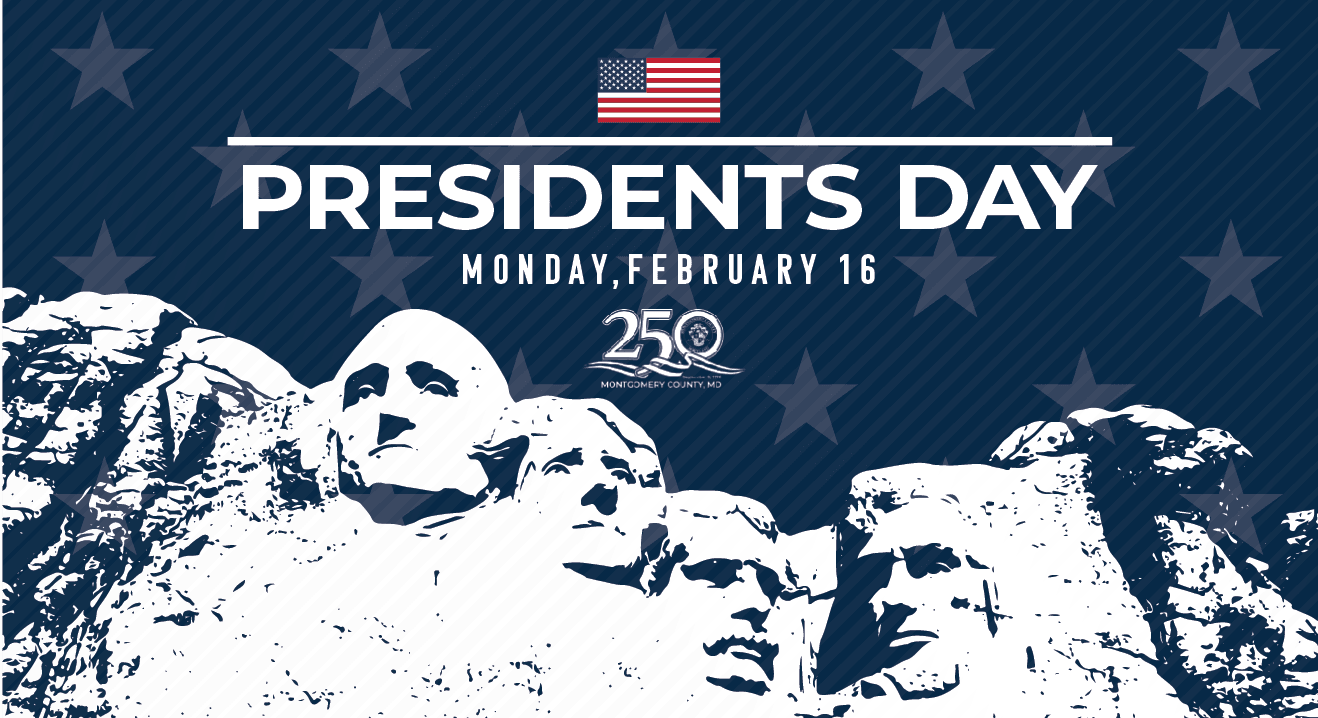
The Evolution of Excellence: Understanding Presidents Day
Every third Monday in February, Americans enjoy a reprieve from the winter grind. For many, Presidents Day is synonymous with mattress sales, short bank hours, and a much-needed three-day weekend. However, beneath the commercial surface lies a complex history of legislative maneuvering, a tribute to two of America’s most transformative leaders, and a subtle "identity crisis" involving the holiday's official name.
The Man Behind the Monday
The holiday’s roots are firmly planted in the legacy of George Washington. Following his death in 1799, the nation began celebrating his birthday, February 22, as a day of remembrance. By 1879, Congress made "Washington’s Birthday" an official federal holiday—initially only for government workers in Washington D.C., and later expanding to all federal employees in 1885. At the time, it was the first federal holiday to honor an individual American citizen.
The Shift: The Uniform Monday Holiday Act
For nearly a century, Washington’s Birthday was celebrated strictly on February 22. This changed in the late 1960s with the introduction of the Uniform Monday Holiday Act.
The act was designed to provide federal employees with several fixed three-day weekends throughout the year, with the hope of boosting retail sales and travel. When the law took effect in 1971, the observance of Washington’s Birthday was moved to the third Monday in February. Because of this mathematical quirk, the holiday can only fall between February 15 and 21—meaning the federal holiday for Washington's Birthday ironically never falls on Washington's actual birthday.
The Great Name Debate: Washington vs. LincolnWhile the public almost universally uses the term "Presidents Day," the federal government does not. According to the United States Code, the holiday is still officially designated as Washington’s Birthday.
The shift in naming was largely driven by the proximity of another giant in American history: Abraham Lincoln. Lincoln was born on February 12, and while his birthday was never a federal holiday, it was observed by many states. During the drafting of the Uniform Monday Holiday Act, there was a proposal to rename the day "Presidents Day" to honor both men. Though the proposal failed in Congress, the term "Presidents Day" was enthusiastically adopted by retailers in the 1980s as a marketing strategy.
How We Celebrate Today
Modern traditions for the holiday are a blend of the civic and the commercial:
State-by-State Variations
Because states have the power to name their own holidays, the map of the U.S. on the third Monday of February is a patchwork of titles:
Ultimately, whether you view it as a tribute to the "Father of His Country," a nod to the "Great Emancipator," or a celebration of the office itself, Presidents Day serves as an annual moment to reflect on the leadership that has shaped the American experiment. |
0 Comments
Join the conversation
Be the first to comment
Share your thoughts above.