

The Great Michigan "Stargate" Stand-Off |
Mysterious portal discovered in Michigan sparks dramatic confrontation - what lies on the other side? |
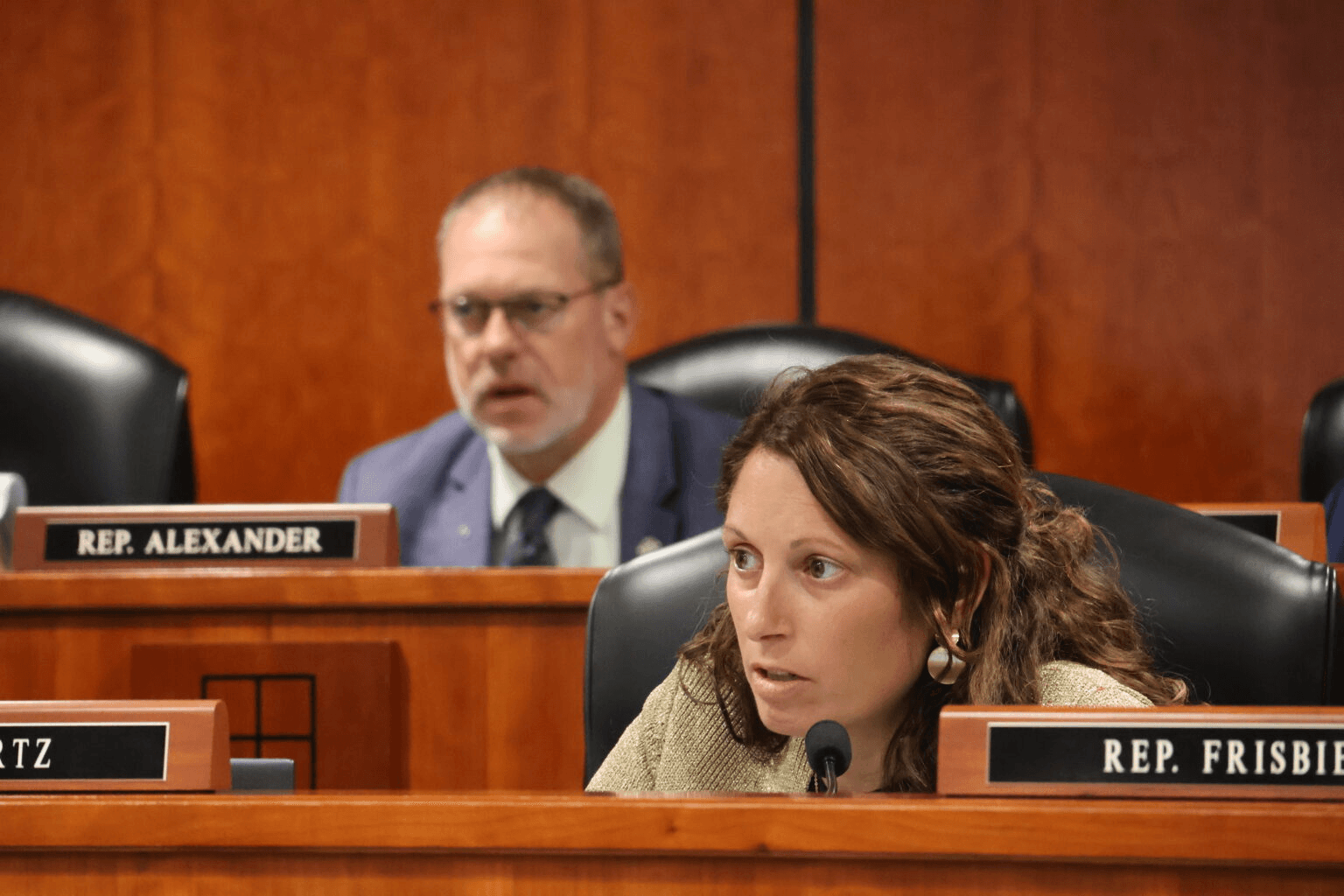
The Great Michigan "Stargate" Stand-Off: Rep. Wortz Leads Bipartisan Push for Data Center Moratorium
In a rare display of Lansing unity, a bipartisan coalition of lawmakers is hitting the "pause" button on Michigan’s high-stakes bid to become a Silicon Valley of the Midwest. State Representative Jennifer Wortz (R-Quincy), alongside Democratic colleague Dylan Wegela (D-Garden City), has introduced a legislative package designed to halt all new data center construction until at least April 1, 2027. The move marks a significant escalation in a growing statewide battle over land use, energy reliability, and whether Michigan’s "Water Wonderland" can survive the thirst of Artificial Intelligence.
Rural Roots vs. Cloud ComputingFor Representative Wortz, the Vice Chair of the House Agriculture Committee, the issue is personal and grounded in Michigan's soil. As tech giants like Oracle and OpenAI eye vast swaths of prime farmland for their "hyperscale" facilities, Wortz is drawing a line in the dirt.
Wortz and her colleagues are advocating for a "Brownfield-first" approach, suggesting that cities like Benton Harbor, Saginaw, and Flint—which already possess industrialized infrastructure—should be the priority, rather than active agricultural land The "Stargate" Factor: Energy and WaterThe catalyst for this legislative friction is a series of massive project proposals, most notably the $7 billion "Stargate" facility in Saline Township. While Governor Gretchen Whitmer has hailed it as the largest economic investment in state history, the scale of the project has sent shockwaves through the utility sector.
By the Numbers: The Impact of a Hyperscale Center
Lawmakers fear that without strict guardrails, Michigan ratepayers will eventually foot the bill for the massive grid upgrades required to support these "energy hogs," potentially leading to higher monthly utility bills for families. A Growing Grassroots MovementThe legislative push follows a wave of local resistance. As of late February 2026, at least 27 Michigan communities have passed their own local moratoriums. This "strange bedfellows" coalition includes:
The Road Ahead: Will the Governor Sign?Despite the bipartisan momentum in the House, the bills face a steep climb. Governor Whitmer and House Speaker Matt Hall have both signaled they are not in favor of a statewide moratorium, viewing it as a potential deterrent to economic growth. Representative Wegela, however, remains undeterred. "The big groups—the DTEs and the Big Techs of the world—will make it difficult," he admitted. "But it’s worth making sure people know which representatives are fighting for their interests." As the debate moves to the House floor, the message from the Wortz-Wegela coalition is clear: Michigan’s future shouldn't be traded away for a faster cloud, at least not without a transparent plan to protect the state's most precious resources. |
0 Comments
Join the conversation
Be the first to comment
Share your thoughts above.