

Shadows and Sunshine |
Exploring life's contrasts: stories of shadows and sunshine unravel the beauty in duality. |
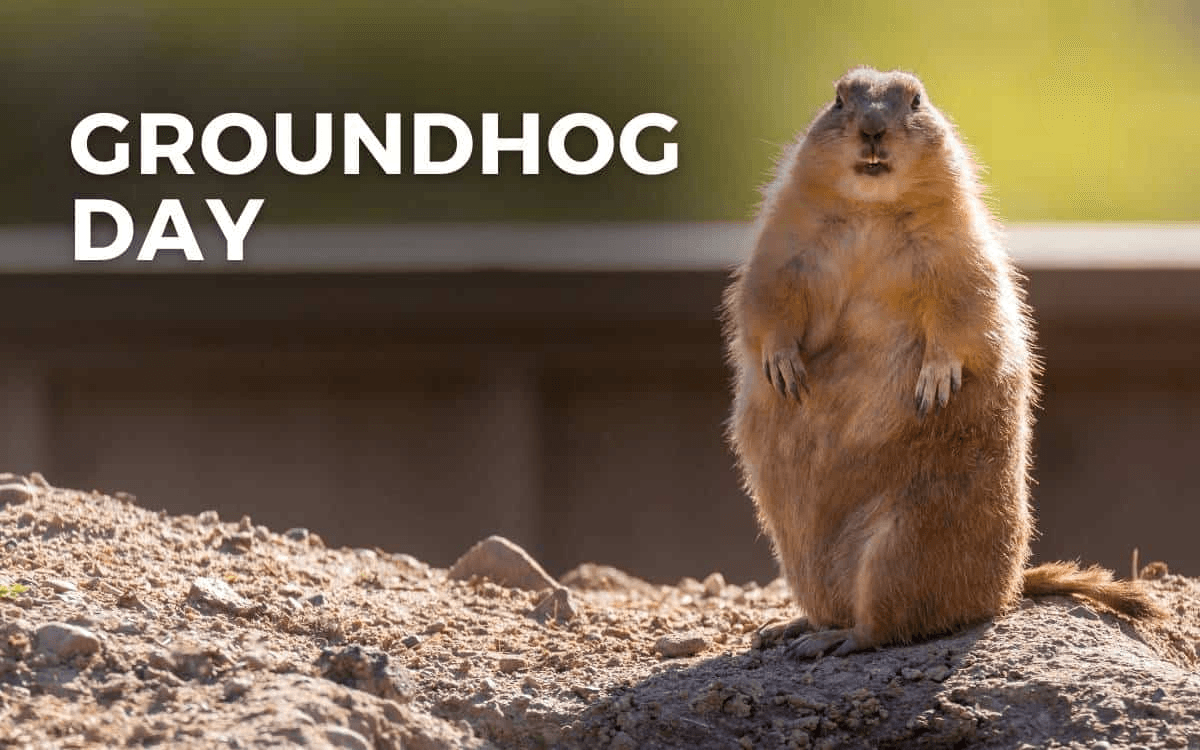
Shadows and Sunshine: The Surprising History of Groundhog Day
Every February 2nd, a group of tuxedo-clad men in Punxsutawney, Pennsylvania, pulls a confused rodent out of a stump to determine the fate of the North American climate. It sounds like the plot of a surrealist indie film, but Groundhog Day is actually a tapestry of ancient pagan rituals, Christian traditions, and a bit of 19th-century marketing savvy.
The Pagan and Christian RootsThe story doesn't begin with a groundhog, but with the sun. Groundhog Day falls on a "cross-quarter day," the midpoint between the winter solstice and the spring equinox. Ancient Celts celebrated this as Imbolc, a festival marking the beginning of spring and the lambing season. As Christianity spread through Europe, Imbolc evolved into Candlemas. On this day, clergy would bless and distribute candles needed for winter. However, the weather-lore element remained. An old English folk song captured the sentiment perfectly.
From Badgers to WoodchucksIt was the Germans who added the "animal meteorologist" twist to the legend. In German folklore, the badger (or sometimes a bear) was the designated weather prophet. If the badger saw its shadow on Candlemas, it meant "Second Winter" was coming, and the animal would retreat into its burrow for another four weeks.
When German immigrants (the Pennsylvania Dutch) settled in the United States during the 18th and 19th centuries, they brought the tradition with them. Finding a distinct lack of European badgers in the Pennsylvania woods, they recruited a local substitute: the groundhog (also known as the woodchuck or "whistle-pig"). The Birth of Punxsutawney PhilWhile many towns had their own local traditions, the "official" celebration began in 1887. Clymer Freas, a newspaper editor and member of the Punxsutawney Groundhog Club, declared that a specific groundhog named Punxsutawney Phil was the only true weather-predicting rodent. The club made a spectacle of the event at a site called Gobbler’s Knob. Today, Phil is supposedly kept alive by a "groundhog elixir" that grants him seven more years of life with every sip—a claim that is, scientifically speaking, about as reliable as his 40% accuracy rate.
The "Bill Murray" Effect For a long time, Groundhog Day was a quirky, localized Pennsylvania tradition. That changed forever in 1993 with the release of the film Groundhog Day, starring Bill Murray. The movie—which used the holiday as a metaphor for spiritual growth and repetition—catapulted the event into global consciousness. Since the film's release, crowds at Gobbler’s Knob have swelled from a few thousand to over 40,000 people, all gathering in sub-zero temperatures to watch a rodent do its job.
Why Do We Still Do It?In an age of satellite imagery and supercomputer climate models, why do we still care about Phil’s shadow? Perhaps it’s because Groundhog Day is one of the few holidays that doesn't involve the stress of gift-giving or massive family dinners. It is purely, delightfully absurd. It provides a moment of communal hope during the bleakest part of winter. Whether Phil sees his shadow or not, the tradition reminds us that spring is—eventually—on its way. |
0 Comments
Join the conversation
Be the first to comment
Share your thoughts above.